Written By Virtuosity Editor Team
Updated 20 May 2026
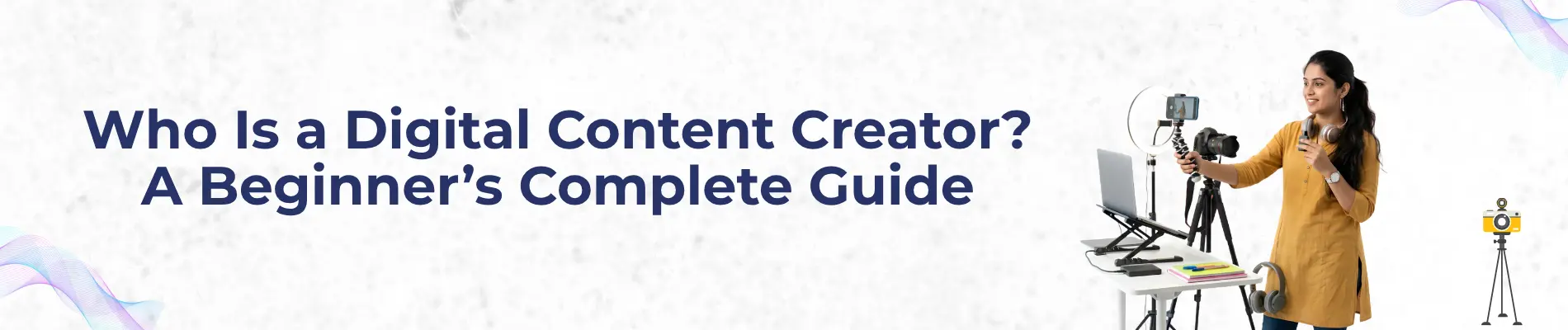
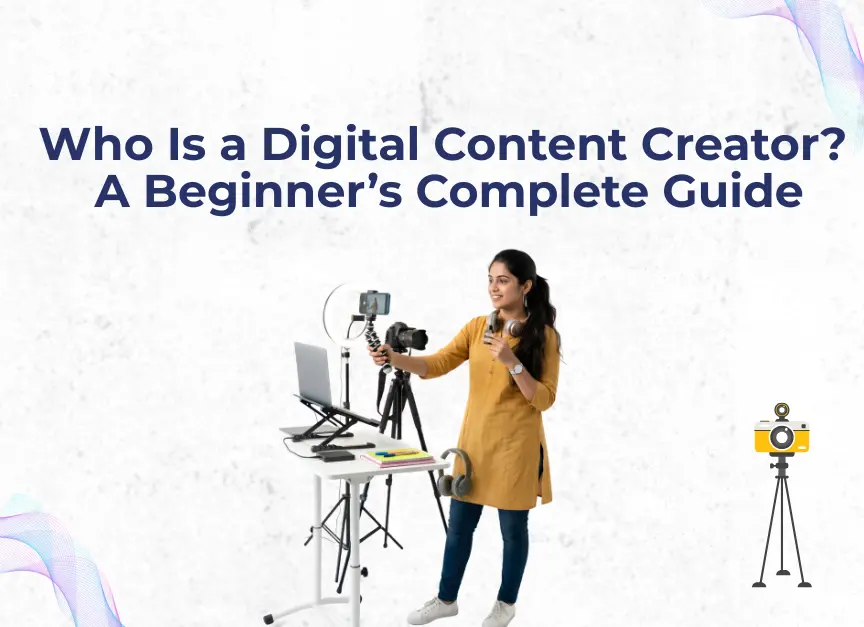
Ever noticed how some people just pick up a phone, create something, and suddenly thousands of people are watching, liking, and following them? That’s a digital content creator. They take simple ideas—like a daily routine, a tip, or even a random moment—and turn them into content people actually care about.
A digital content creator makes videos, posts, blogs, or podcasts and shares them on platforms like Instagram or YouTube. But it’s not just about posting—they think of ideas, shoot, edit, and present everything in their own style. It’s like running your own personal channel where you are the creator, the planner, and the face of everything people see. In short, if you can turn your ideas into content that people enjoy, learn from, or relate to—you’re already thinking like a digital content creator.
Types of Content They Create:
The demand for digital content creation and creators is growing rapidly, and here’s why:
Today, with over 5 billion internet users worldwide and millions of active creators, competition is high, but so are the opportunities.

These creators focus on video content for platforms like YouTube and Instagram Reels. Their content can include tutorials, vlogs, product reviews, interviews, gaming videos, educational explainers, and entertainment clips. They focus on storytelling, editing, audience engagement, and video quality to attract viewers and increase reach. Many video creators also optimize their content with trending topics, captions, and thumbnails to improve visibility and grow their audience.
These creators write articles, guides, and reviews on websites or blogs. Their work often includes SEO-focused articles, long-form guides, product reviews, case studies, and how-to content. Bloggers aim to provide valuable information while improving website traffic through search engines. Successful bloggers research keywords, understand audience intent, and maintain consistent publishing schedules to build authority and attract loyal readers over time.
Social media creators focus on creating engaging content for platforms like Instagram, Facebook, LinkedIn, Twitter, and Snapchat. Their content includes reels, memes, carousels, stories, promotional posts, and trend-based content designed to increase engagement and followers. They stay updated with social media trends, hashtags, and platform algorithms to improve reach. Social media creators also interact with audiences regularly to build online communities and strengthen brand presence.
These creators focus on audio-based content that listeners can stream or download on platforms like Spotify, Apple Podcasts, and Google Podcasts. Their content often includes interviews, educational discussions, storytelling, motivational talks, or industry insights. Podcasters focus on clear communication, topic research, and audience engagement to keep listeners interested. Many podcasters also repurpose their audio content into clips, blogs, or social media posts to expand their audience reach.
Designers and visual creators produce creative visual content such as graphics, posters, thumbnails, branding materials, digital illustrations, and social media designs. They use tools like Photoshop, Canva, Illustrator, and Figma to create visually appealing content that attracts attention and communicates messages effectively. Their work is important for branding, marketing campaigns, and audience engagement. Visual creators combine creativity, design principles, and current trends to produce professional and impactful visuals.
Making money as a creator isn’t just one way—it’s about using multiple income streams smartly. The more value you give, the more ways you unlock to earn.
Creators earn money directly from platforms like YouTube through ads shown on their videos. Once they meet requirements (like subscribers and watch time), ads start running, and they get paid based on views and engagement from their audience.
Brands pay creators to promote their products or services in videos or posts. This can be a dedicated video, a mention, or a review. Payment depends on audience size, engagement, and how well the creator fits the brand. For example, CarryMinati has worked with big brands by featuring them in his content.
Creators share special product links in descriptions or bios. When someone buys through that link, the creator earns a commission. This works well in tech, fashion, and review content where people trust recommendations.
Creators sell their own products like e-books, online courses, presets, or templates. This gives full control and higher profit because they are selling directly to their audience without any middle platform.
Platforms like Patreon or memberships allow followers to pay monthly for exclusive content like behind-the-scenes, special videos, or private access. This creates a stable and regular income from loyal fans.
The journey of digital content creation is all about learning, trying, and improving every day. The online world keeps changing, but the content creator meaning stays simple—create value through your content. Now that you understand what is content creator, don’t wait for perfection. Start with what you have, keep learning, and stay consistent. Your first step matters more than your perfect plan—so go ahead and create.